


[ad_1]
Safe-Haven Demand Strengthens on Trade War Uncertainty
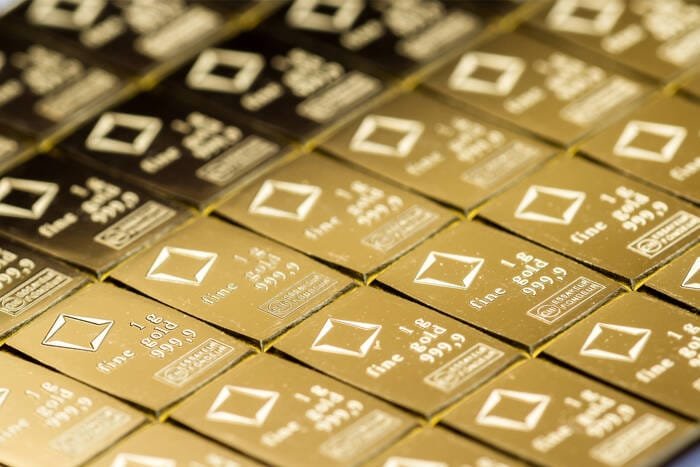
Gold remains on track for a seventh consecutive weekly gain as concerns over a potential global trade war continue to drive safe-haven demand. U.S. President Donald Trump’s push for reciprocal tariffs has fueled investor uncertainty, supporting bullion prices.
Trump has directed his economic team to draft plans for retaliatory tariffs on countries that impose taxes on U.S. imports. This move, seen as inflationary, could further boost gold’s appeal as a hedge against price pressures and geopolitical instability. Nicholas Frappell, global head of institutional markets at ABC Refinery, noted that ongoing uncertainty surrounding U.S. trade and foreign policy remains a key driver for gold.
Inflation Data and Fed Rate Expectations Under Scrutiny
The latest U.S. Producer Price Index (PPI) report showed wholesale prices rising 3.5% year-over-year in January, with a monthly increase of 0.4%, exceeding market expectations of 0.3%. This followed a hotter-than-expected Consumer Price Index (CPI) report earlier in the week, adding to concerns over persistent inflation.
Despite these figures, traders anticipate that the Federal Reserve will hold off on cutting interest rates until at least September. A decline in jobless claims has reinforced expectations of a resilient labor market, giving the Fed little urgency to adjust policy in the near term. Investors are now looking ahead to retail sales data and the Fed’s preferred inflation gauge, the Personal Consumption Expenditures (PCE) index, for further clarity on inflation trends.
Physical Gold Demand Weakens as Prices Surge
Retail gold demand in key markets like India and China has softened as record prices deter buyers. Indian jewelers have been forced to offer discounts to attract customers, while Chinese demand remains subdued following the Lunar New Year holidays. The lack of strong physical buying could limit upside momentum in gold’s rally.
Treasury Yields Hold Steady as Market Awaits Further Data
[ad_2]