



[ad_1]
US Consumer Confidence Tumbles
March data showed a sharp deterioration in consumer sentiment, bolstering expectations of a more dovish Fed. The US CB Consumer Confidence Index fell from 100.1 in February to 92.9 in March, reflecting concerns about income, the labor market, and the broader economic outlook.
Waning consumer confidence could weigh on household spending and dampen demand-driven inflationary pressures. Given that private consumption accounts for over 60% of US GDP, a pullback in spending could also slow economic growth. A softer inflation outlook and potentially slower GDP growth could strengthen the case for multiple Fed interest rate cuts, supporting equity prices.
Nick Timiraos, chief economics correspondent at The Wall Street Journal, commented:
“Lowest level since January 2021 (worse than the July 2022 nadir of Biden’s presidency, when inflation hit 9%). Fourth straight monthly decline. The consumer expectations index—based on consumers’ short-term outlook for income, business, and labor market conditions—dropped to the lowest level in 12 years, just below the readings of July 2022.”
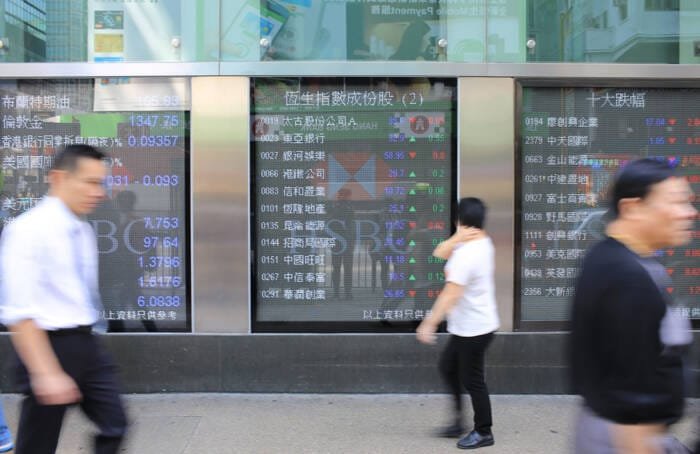
Asian Market Implications: Asian markets opened mixed on Wednesday, March 26, as traders considered tariff risks and the Fed’s policy outlook.
Hang Seng Index Gains Despite Tariff Caution
[ad_2]