

[ad_1]
S&P Global echoed these concerns, suggesting that increased policy volatility may weigh on global growth. Meanwhile, Fitch Ratings noted that Washington’s tariff approach could dampen external demand for US goods, particularly from emerging economies like Brazil, India, and Vietnam.
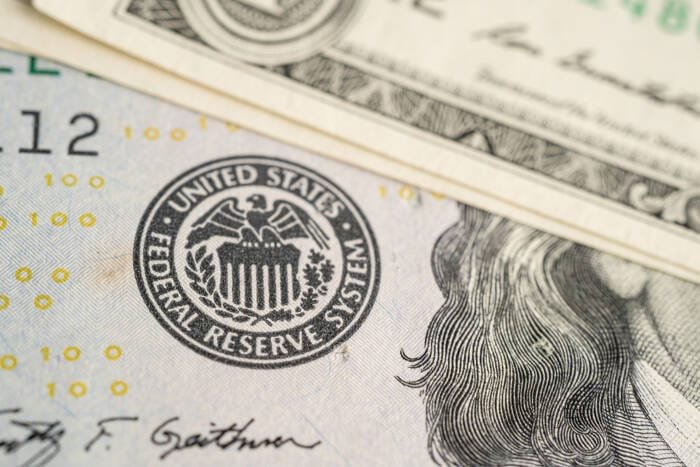
These developments may erode demand for US assets, reinforcing downside pressure on the dollar, especially if external trade partners reduce exposure to dollar-denominated imports.
Federal Reserve Balancing Inflation Risk and Growth Concerns
Fed officials appear increasingly split on how to navigate economic crosscurrents. Boston Fed President Susan Collins emphasized the tension between maintaining a restrictive stance and recognizing signs of a broader slowdown. Richmond Fed President Thomas Barkin added that unresolved trade policies could complicate the Fed’s decision-making, prompting a more measured pace on policy shifts.
This ambiguity is fueling expectations of delayed rate adjustments and a weaker policy impulse—both of which are limiting support for the dollar in the near term.
PCE Inflation Data May Shape Near-Term USD Trajectory
Markets are now focused on Friday’s release of the PCE Price Index—the Fed’s preferred inflation measure. A weaker-than-expected reading could accelerate bets on mid-year rate cuts, adding to downward pressure on the dollar.
With policy visibility low and fiscal dynamics under scrutiny, the path for the greenback remains data-dependent—and fragile.
[ad_2]