

[ad_1]
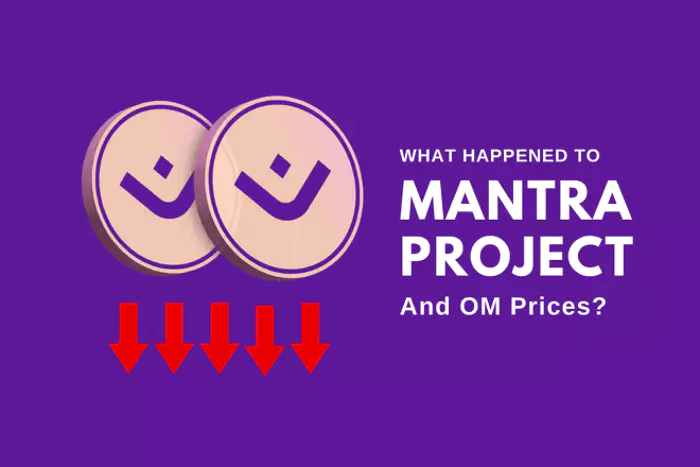
The burn represents a significant portion of OM’s total token allocation and is part of a broader “stabilization strategy” following the token’s over 90% drop on April 13.
Mantra framed the decision as a commitment to long-term value creation, suggesting that cutting excess supply would support a healthier market structure. However, critics argue that the move is more about damage control than genuine progress.
The bearish technical outlook aligns with mounting concerns over OM’s fundamentals and project transparency. Prominent analyst Maboo described the burn as a “desperate” attempt to fake momentum, noting that token destruction should not be a substitute for sustainable design.
“They launched with way too many tokens. Now they’re doing staged burns to fake momentum,” Maboo wrote. “If your tokenomics only make sense after destroying part of the supply… they never made sense to begin with.”
Maboo also pointed out that several on-chain investigators are uncovering “sketchy stuff” related to insider transactions, adding to the growing skepticism around the project. His conclusion? Mantra is giving “low-effort, high-risk vibes” — and remains a hard pass for risk-conscious investors.
Multiple on-chain investigators have reported suspicious activity around the crash, including wallets linked to strategic investor Laser Digital allegedly transferring millions of OM tokens to exchanges prior to the price collapse. Although Laser Digital denied involvement, the community remains skeptical.
Moreover, Mantra’s fully diluted valuation (FDV) — which stood near $1.88 billion as of April 15 — continues to draw criticism. Despite a modest rise in total value locked (TVL) to around $3.26 million, the mismatch between FDV and TVL has led to accusations that the project is overvalued and highly centralized.
[ad_2]