
[ad_1]
U.S.-Iran Nuclear Deal Progress Fuels Supply Concerns
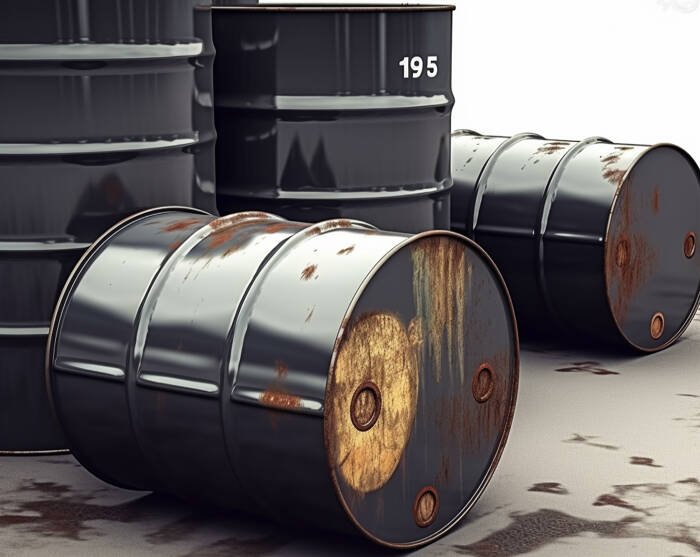
Oil prices dropped more than 2% as optimism around renewed U.S.-Iran nuclear negotiations raised the possibility of additional crude entering the market. Both sides agreed to start drafting a potential framework, signaling what one U.S. official described as “very good progress.” Analysts noted that even the suggestion of a breakthrough could lead markets to price in future Iranian supply. This news comes just days after the U.S. imposed sanctions on a Chinese refiner for processing Iranian crude, underscoring the geopolitical stakes.
Broader Market Stress Pressures Demand Outlook
Beyond supply concerns, traders are contending with macroeconomic stress. A combination of tariff-driven growth concerns and political pressure on the Federal Reserve added to market anxiety, lifting gold and dragging crude lower. According to IG strategist Yeap Jun Rong, investors are finding it difficult to price in a sustained demand recovery, with rising OPEC+ output and global economic softness keeping a lid on bullish sentiment.
OPEC+ Production Plans Keep Bears Active
Despite mixed compliance from some members, OPEC+ is expected to stick with its plan to raise output by 411,000 barrels per day in May. While cuts from over-producing members could partially offset the increase, the net rise in supply adds another layer of pressure to already fragile market sentiment. Traders will be monitoring how this balances with any incoming Iranian barrels, especially as refinery margins remain tight.
Oil Prices Forecast: Bearish Pressure Building
With crude prices stalling below key technical levels and renewed supply risks from Iran on the horizon, the short-term outlook leans bearish. Weak liquidity due to the Easter holiday may have exaggerated Monday’s drop, but the underlying trend suggests further downside potential. A failure to reclaim resistance at $63.06 could open the door for a test of $59.33 in the near term, especially if upcoming U.S. PMI data reinforces economic slowdown concerns.
More Information in our Economic Calendar.
[ad_2]